
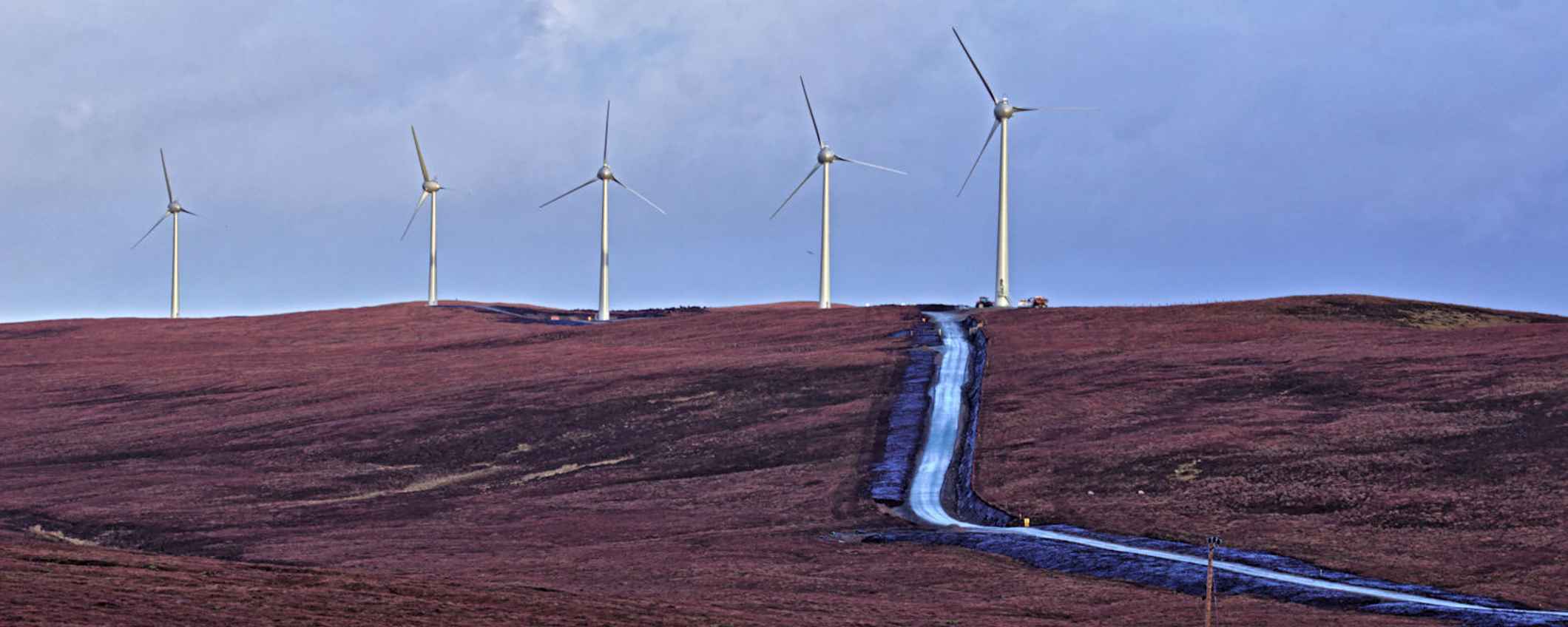
Construction for the project, which has been set up entirely by members of the local community, took five weeks with turbine installation being completed in a further 22 days – an extraordinarily quick time for an island based wind project.
The project is a great example of a local community clubbing together to make the most of a local resource in a way that benefits everyone.
Norrie Cruickshank, Relationship Manager at Triodos Bank said: “This is a fantastic community renewables project, one that we are delighted to be a part of. This installation gives one of the most outer islands of the Shetlands a chance to reduce carbon emissions, provide new jobs and opportunities to local people, and provide an added income for the community group. It’s a project which represents our values at Triodos Bank perfectly, offering both an environmental and social return.”
It’s a project which represents our values at Triodos Bank perfectly, offering both an environmental and social return.
Caught in 14 years of development limbo, the project was finally greenlit after careful planning which included ecological considerations such as animal and bird studies, peat properties and water courses. The development also suffered setbacks after discovering poorly worded land documents dating back to 1933 which prevented the project from moving forward. Following full cooperation from the community and local landowners, the issue was finally resolved many years later, paving the way for the Island of Yell to get another renewables project running.
Andrew Nisbet – Secretary of the North Yell Development Council, of which Garth Wind is a subsidiary – pointed out that the success of the project is down to “a huge amount of hard work, professionalism and dedication” on the part of the involved teams who had to “overcome the challenges of a construction project taking place late in the year in such an exposed location”.
Scottish Government Minister for Business, Innovation and Energy, Paul Wheelhouse MSP, said: “This is a great example of a local community taking advantage of its own natural resource for the benefit of the whole community and that is something we very much want to encourage in our newly published, draft Scottish Energy Strategy. The development itself will provide a long-term income that will support the community and local projects for over 20 years.
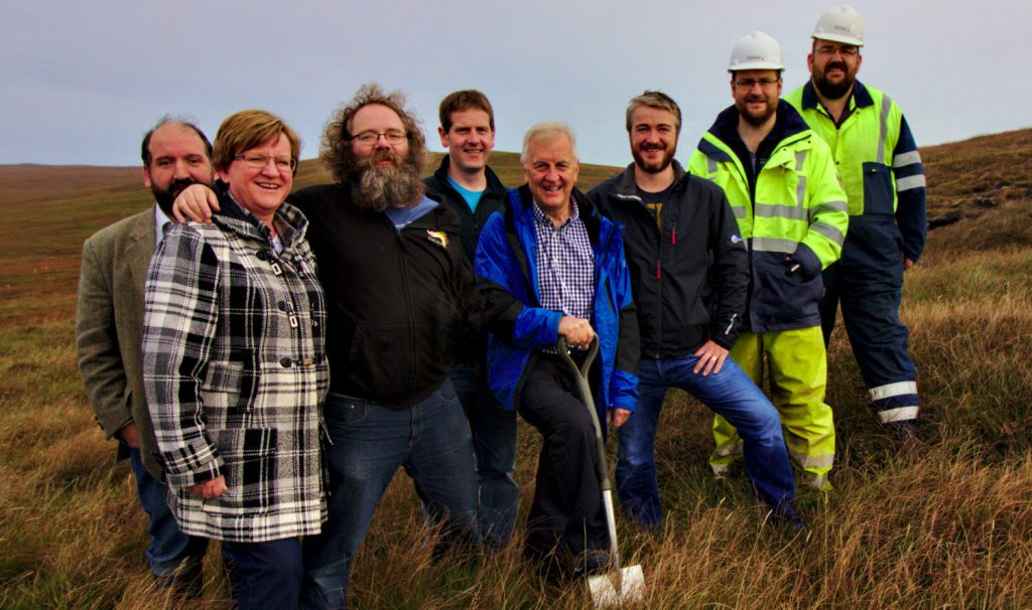
“Scotland now has 595 MW of community and locally-owned renewable capacity having exceeded our 2020 target – enough to power around 300,000 homes and this is why we now aim to grow community and locally-owned projects to 1GW by 2020 – double the original target.” The wind farm will displace power made by burning fossil fuels in Lerwick Power Station.
The next step of the construction phase is the completion of the Grid connection works and commissioning. It’s expected that the wind turbines will be fully operational and feeding into the National Grid by March 2017.
Thanks for joining the conversation.
We've sent you an email - click on the link to publish your post.