
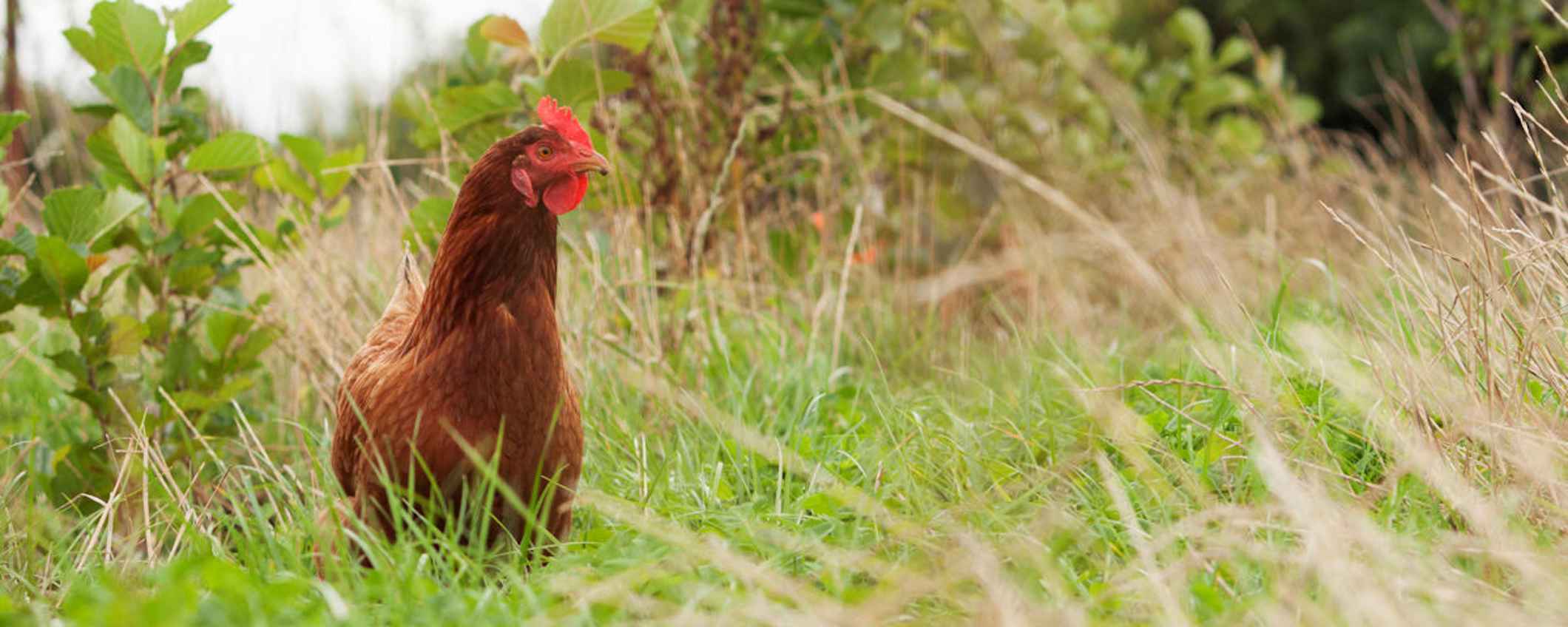
There’s nothing quite like Britain’s rolling fields, a national and cultural heritage treasured by many. But some innovative farmers are finding that planting trees on their farmland is increasing their yield, diversifying their income and helping the environment at the same time. Cultivating trees alongside crops or animals is nothing new, but it’s a practice that has been eroded through the years in the movement towards farming intensification. Now some farmers are making the conscious decision to reintroduce them to their farms, for the health of their businesses and the environment.
Agroforestry is gaining traction in the UK as a method to both increase yield and support the environment in organic farming systems. While planting new tree stock can be expensive, the trees typically planted in agroforestry systems are intended to provide other crops for harvesting, such as nuts, fruit, or timber for building/fuel. These new products can help diversify a farmer’s assets, providing some security and sustainability.
By integrating working trees into farming systems, you get the environmental benefits that trees provide while maintaining, or potentially enhancing, overall productivity
Tom MacMillan, Director of Innovation at the Soil Association points out that “Agroforestry is exciting because of its potential to lift productivity at the same time as benefitting the climate and wildlife. Two acres that combine trees and farming will produce more than an acre of each side by side, because the trees use sunlight, water and nutrients at different heights and depths. You get all sorts – timber, fruit, nuts, combined with arable or pasture. It’s intercropping but supersized.”
The potential benefits aren’t just to the pocket, though. Agroforestry systems have been shown to have a positive impact on the environment, with implications beyond the field they stand in. Trees can be particularly useful in restoring soil fertility and integrity, which also prevents water run-off and flooding, meaning crops are protected and better able to thrive. They can also go some way to providing carbon-sequestration and supporting air quality, too.
Dr Jo Smith, Principal Agroecology Researcher at the Organic Research Centre, says that “the main advantage of agroforestry is that by integrating working trees into farming systems, you get the environmental benefits that trees provide while maintaining, or potentially enhancing, overall productivity.” It’s a system of sustainable intensification that increases yield, while protecting the environment and soils.
Despite these benefits, adoption has been slow due to a combination of challenges such as a lack of funding incentives and short-term farm tenancies. Additionally, agroforestry isn’t a simple or easy fix option; the system has to be carefully maintained to ensure that light and water isn’t being harmfully redirected from crops. However, as Dr Smith points out, organic farmers are already “used to dealing with complexity, through crop rotations and similar practices, so agroforestry is almost the next logical step in the development of a system.”
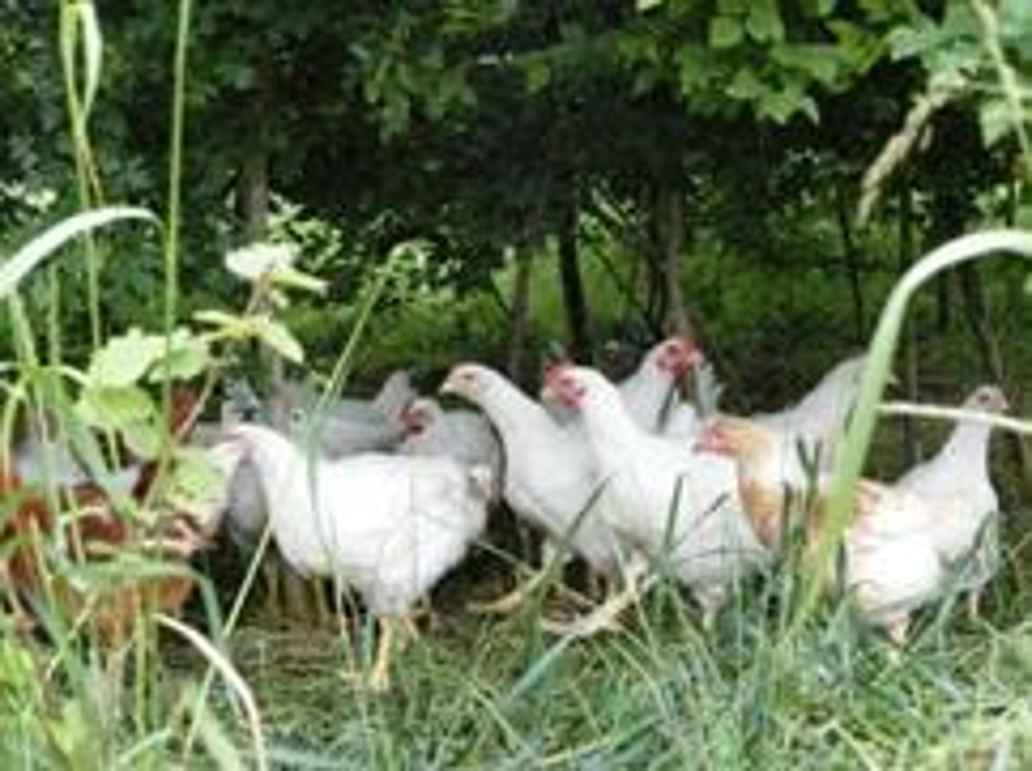
Sheepdrove Organic Farm is one Triodos Bank customer already planting their way to success with small scale agroforestry systems. Sheepdrove have introduced woodland to their poultry foraging spaces, an agroforestry system known as ‘silvopoultry’. The trees, shrubs and herb strips are designed to provide a stimulating environment for their chickens, while also supporting self-medication, balanced diet and foraging behaviour.
At Triodos, we finance organisations like Sheepdrove Organic because we recognise the delicate relationship between our environment, our health and the food we eat. We believe organic agriculture is an approach to farming that keeps sustainability at its core and, through systems such as agroforestry, helps to produce food in a way that is best for both the environment and the consumer.
Find out more about our approach to food and agriculture and the organisations we lend to here
Thanks for joining the conversation.
We've sent you an email - click on the link to publish your post.