
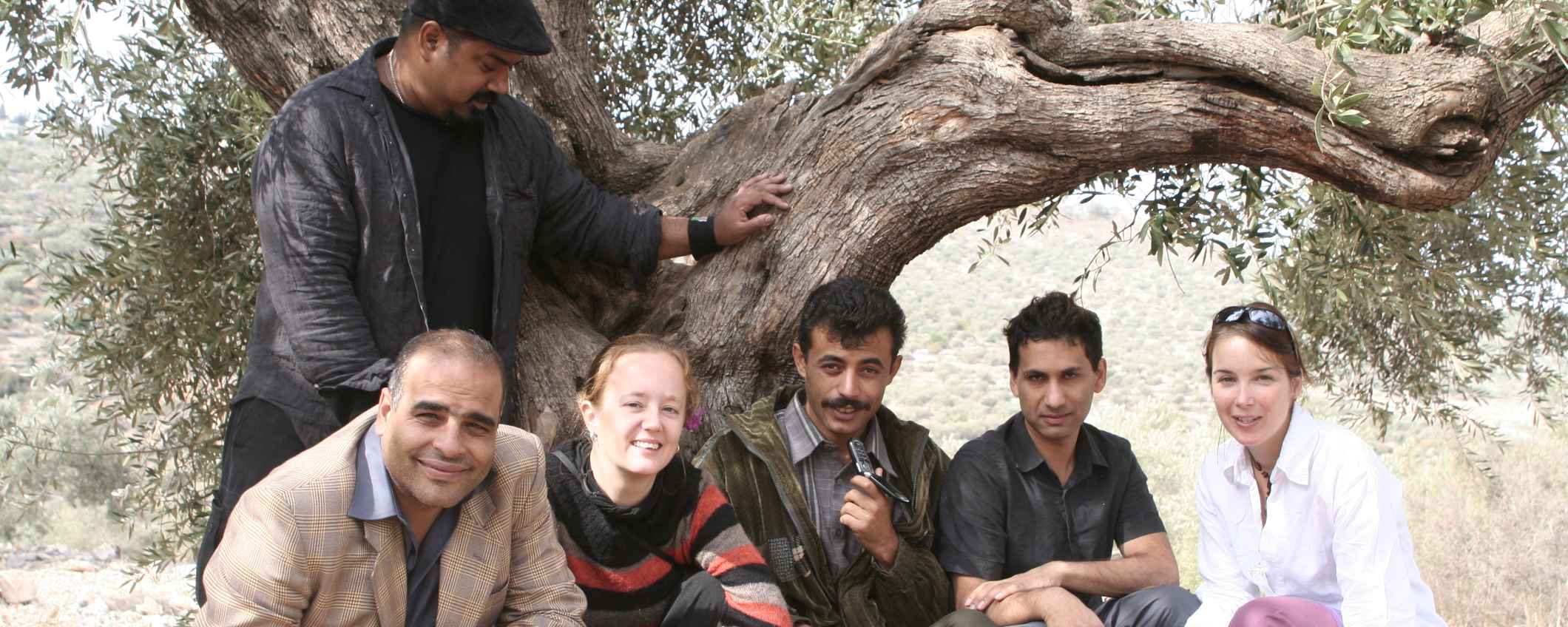
Zaytoun is a UK Community Interest Company and social enterprise founded in 2004. The company focuses on importing and selling fairly traded Palestinian artisan products and working with farmers in Palestine.
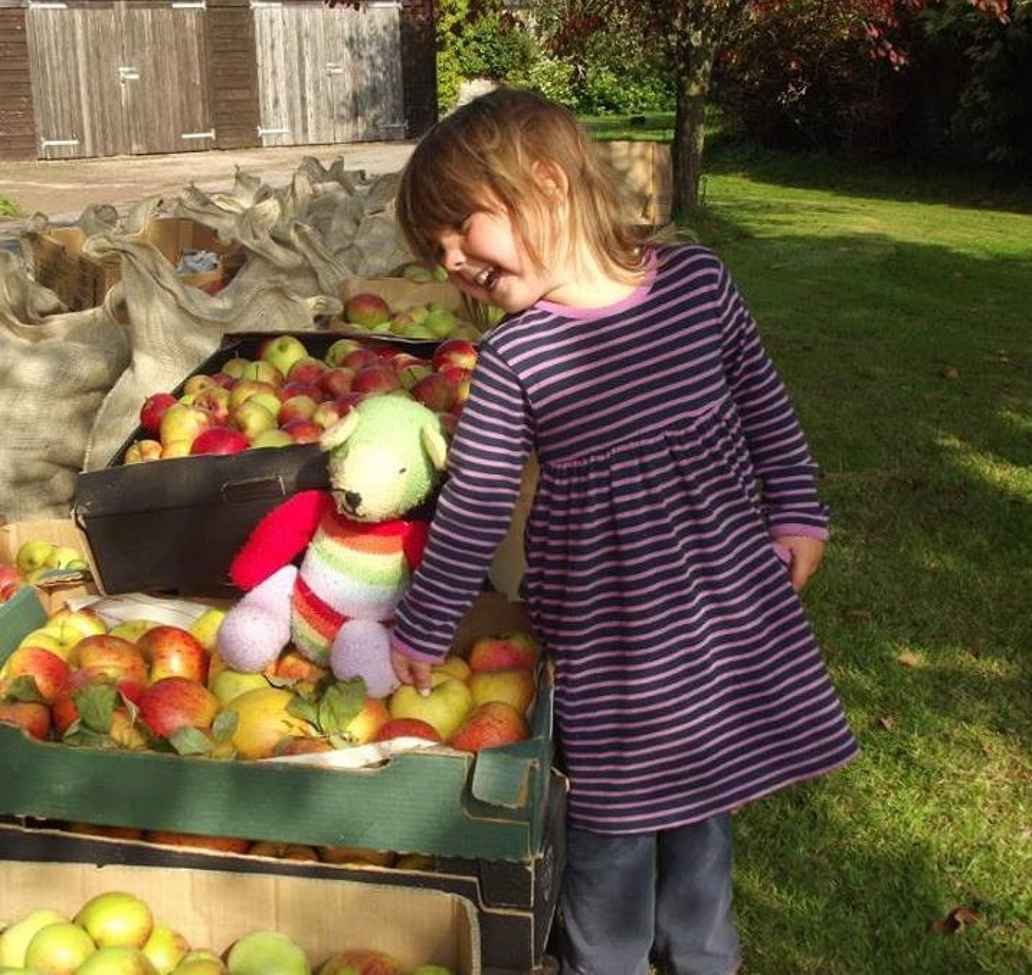
It's offering followers the chance to show support for farmers in Palestine (and win Zaytoun goodies) by sharing your harvest photos – be that foraged blackberries, harvest markets, and dishes you’ve created. To enter, Zaytoun are asking you to post a snap of your autumn harvesting efforts on Facebook, Instagram or Twitter with the hashtag #SharedHarvest, just like the example on the left.
Even better – add a greeting to the hashtag so your messages can be shared with Palestinian farmers online and in person, and local farmer Mohammed Isrsheid will be sharing images from their olive groves and from the ‘Jaru’a’ – the festival of dance which celebrates the end of the harvest.
Life for Palestinian farmers
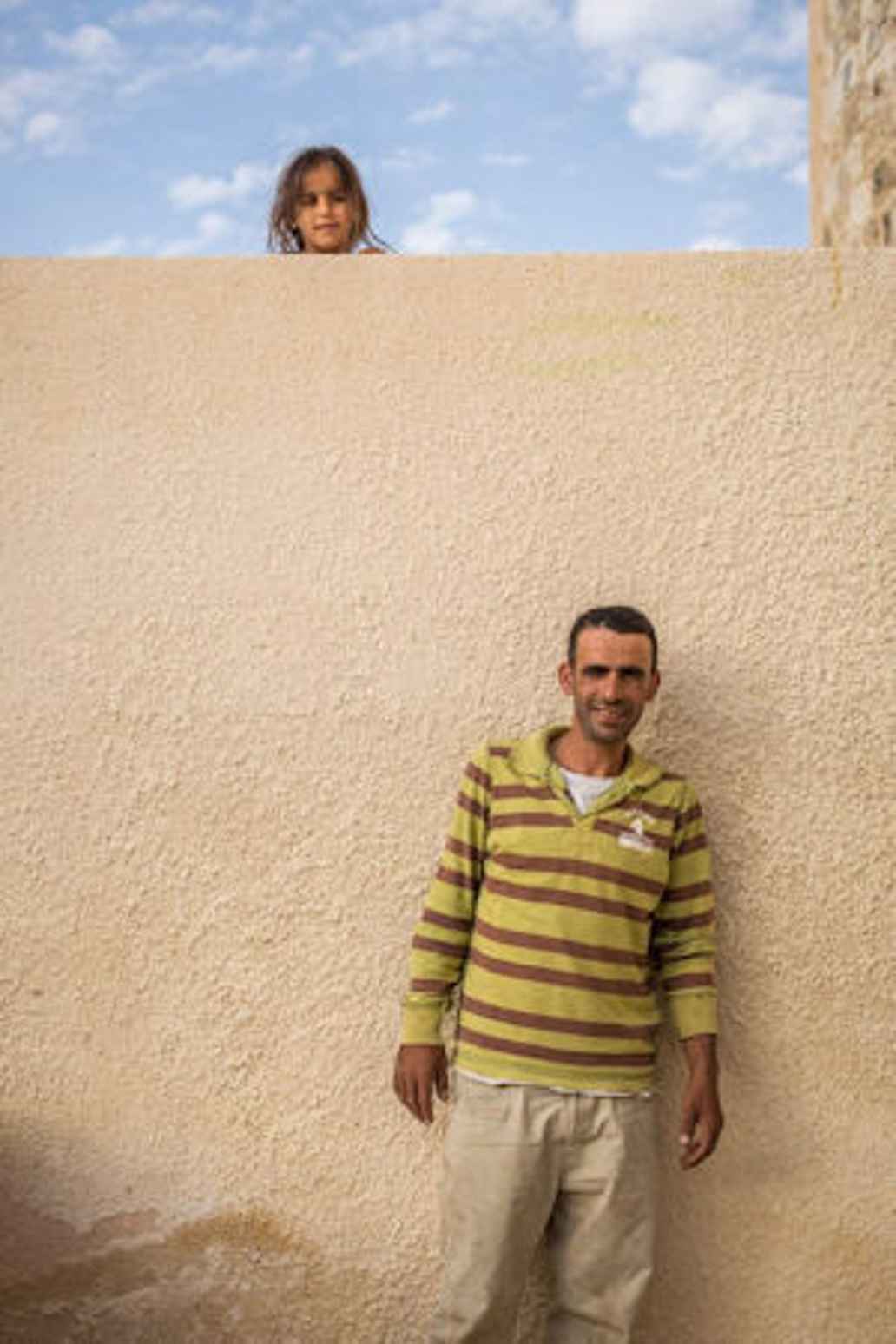
At 28 years old, Khader is the youngest producer in the Nusf Ijbail village cooperative that supplies Zaytoun. As a teenager he worked up to 16 hours a day in Israeli plastic factories. There wasn’t time to go home to sleep, so he slept in the factory for weeks at a time. After 10 years of working in terrible conditions, he was desperate to find better work that would allow him to remain in his village.
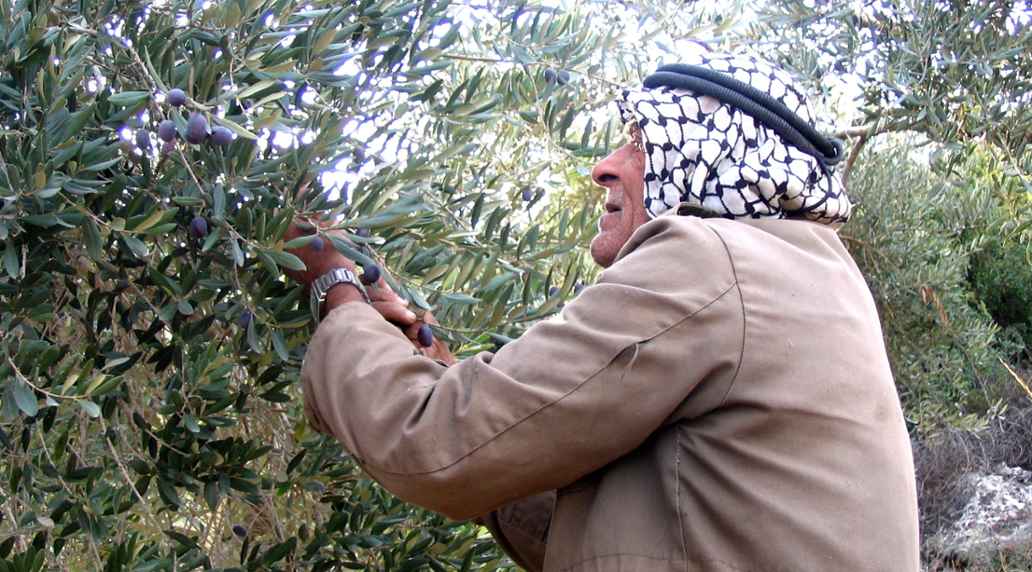
His father convinced him to help in the olive harvest, and that was a turning point for him. Deciding, at the end of the season, he could do more than just picking olives, he started work as a farmer. Saving enough money to buy a tractor, he was also able to offer services to other farmers – ploughing, delivering compost and manure, and helping with others’ harvests.
In this small community of just 350 inhabitants, Khader (below left) found his place again, and committed himself to a new way of life that has its roots in ancient tradition.
“Our village is very small, most young people have left and the farmers that are still here are mostly older folks. I have to help. I profit for sure but my village is also my family. In harvest season we all help each other. My father, my friends, my wife, there are always more people ready to help than not.”
Always curious and eager to learn, Khader chose a new piece of land to experiment with reviving the old fruit trees in the valley near his village “We used to have so many fruit trees in our village but with climate change even the indigenous fruit trees are not doing so well anymore. I want to experiment so I can compare what happens to the trees I plant here and the trees I have planted in the mountain.”
Above all, though, the most precious gift that this new farming life has given Khader is that he no longer has to leave his village for weeks on end to work in an Israeli factory.
“The most important thing to me is that I no longer have to work in an Israeli factory and be separated from my family and wife. I may have a humble house now but I make a decent living that allows me to go to sleep every night in my home with my wife and children, and not in a noisy factory. I consider myself to be a very lucky man.”
Read more from Zaytoun CIC on Colour of Money
CV
ZAYTOUN
Heather Massoud and Cathi Pawson founded Zaytoun in 2004, inspired by peace missions to Palestine. The social enterprise was initially funded by hundreds of people willing to put up their money in advance of receiving their oil. It soon became clear that there was a huge demand for fairtrade Palestinian products in the UK. In 2006 a loan from Triodos Bank enabled the Zaytoun to place another order with the Palestinian producers, and they began to bring in not only oil but maftoul (couscous), dates, za’atar spice, almonds and soap. In 2009 Zaytoun launched the world’s first ever Fairtrade olive oil. www.zaytoun.org
Thanks for joining the conversation.
We've sent you an email - click on the link to publish your post.