

Amid all the holiday preparations and anticipation, one of the things that takes up the largest part of our time and budget is that which is closest to us: our food. For many, Christmas dinner is a time for feasting with friends or family or (for the non-cooks amongst us) ordering our favourite takeaway and drinking some good wine. And new data now shows that we are thinking about our food in a way that is different than before.
Every pound we spend on ethical and sustainable food and drink is a statement of our values
When polled, 49% of British adults report changing their diets in the last year due to environmental or animal welfare concerns. This means that more people are on the hunt for ethical and sustainable alternatives to your typical Christmas dinner fare. In the past year, British eaters have made a number of different changes, including:
- Buying free range meat or eggs (39%)
- Eating more fish instead of meat (13%)
- Avoiding red meat (9%)
- Choosing a vegetarian or vegan diet (8%)
The research, part of this year’s Ethical Consumer Market Report, shows that British consumers have a strong preference for shifting their diets towards more environmentally and ethically friendly food.
“As many of us prepare to gather around the festive dining table it’s heartening to know that these celebrations can now include food and drink that both tastes good and is healthy for us and our environment,” said Bevis Watts, Managing Director of Triodos Bank UK.
“Every pound we spend on ethical and sustainable food and drink is a statement of our values and a vote for a more resilient and sustainable food system.”
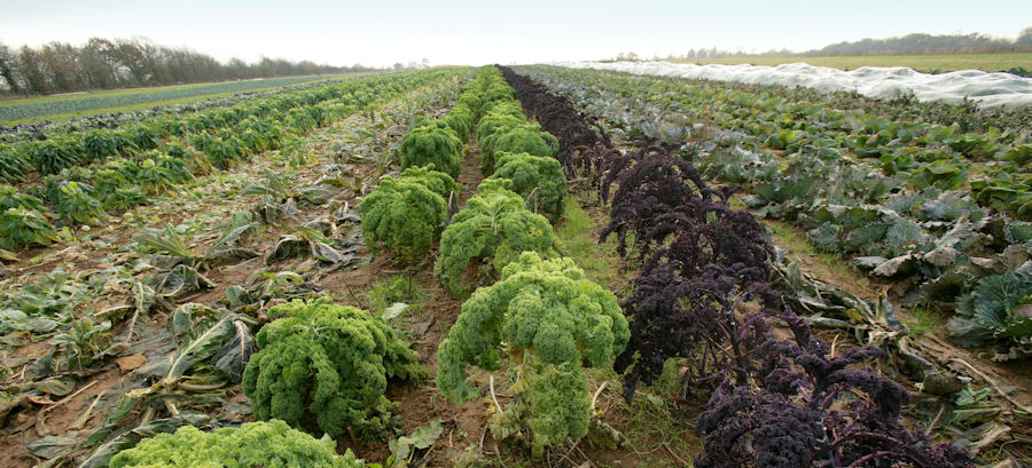
Increases in the market value of organic food and drink, sustainable fish, vegetarian products and Fairtrade wine markets point toward an ethical and more sustainable Christmas for many in the UK. In 2015, various ethical food markets saw strong increases:
- Organic food and drink increased by 4.5 percent to £1.7 billion
- The RSPCA’s Freedom Food scheme increased in value by 28.6 percent to £1.5 billion
- Vegetarian products increased by 6.3 percent to £710 millionethical christmas
- Sustainable fish increased by 15.2 percent to £507 million
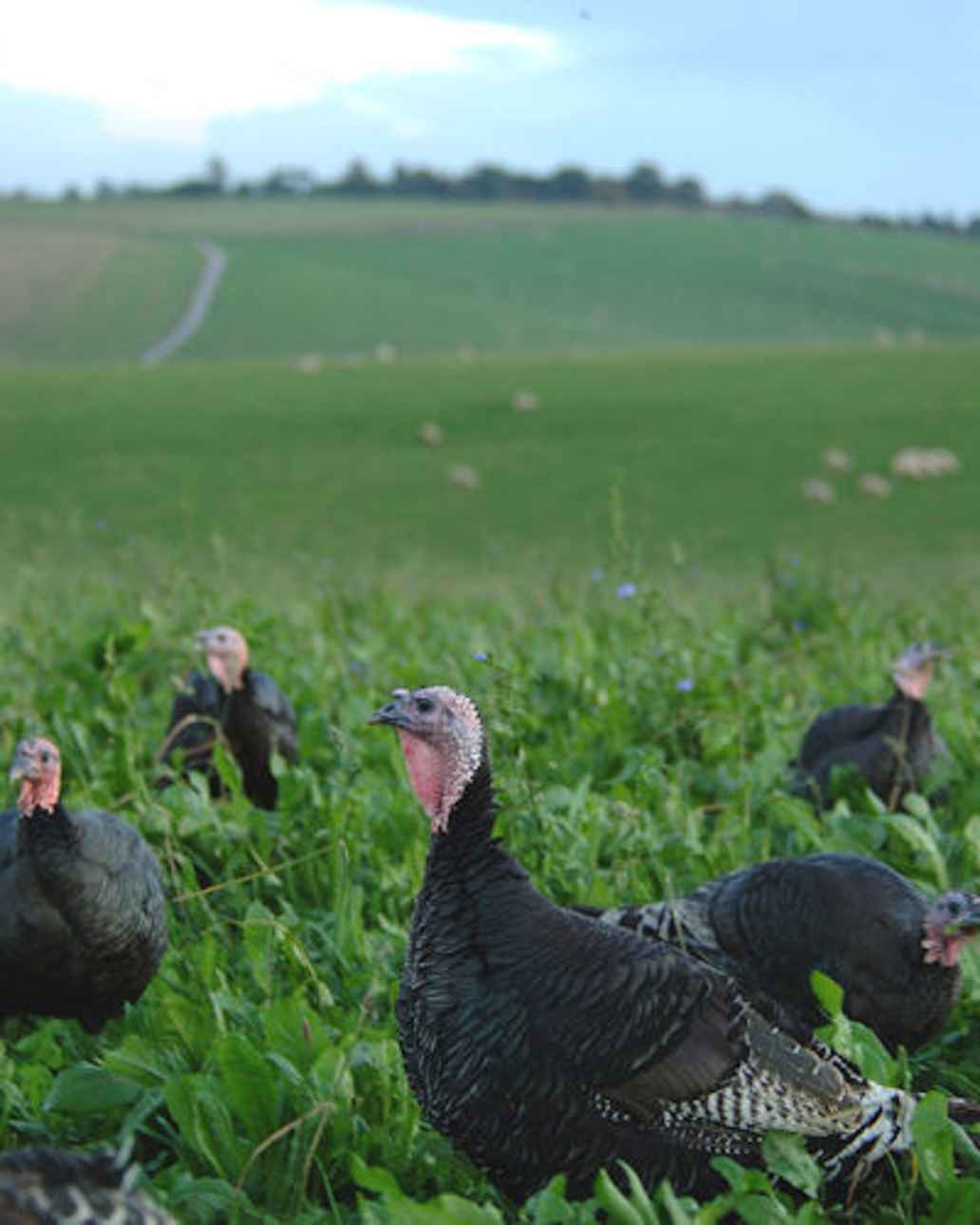
Clare McDermott, Business Development Director of the Soil Association suggests that everyone can do their part to see the ethical food market grow.
“Last year, 83% of households bought organic,” she says. “The Soil Association is encouraging shoppers to swap one or two key Christmas dinner items like turkey, sprouts, carrots and potatoes to organic, which can make a surprisingly big impact. Organic food reduces exposure to potentially harmful pesticides and helps protect our vital wildlife.”
Here’s to a happy and sustainable Christmas!
Thanks for joining the conversation.
We've sent you an email - click on the link to publish your post.